Long-distance towing requires more than just hooking up a vehicle and hitting the road. Whether you’re transporting a car across cities, states, or rural areas, proper planning and execution are essential for safety, efficiency, and avoiding costly damage. From vehicle preparation to choosing the right equipment, following best practices ensures a smooth and secure towing experience.
Preparing the Vehicle for Transport
Before starting a long-distance tow, it’s crucial to prepare the vehicle thoroughly. A proper inspection should be carried out to check for fluid leaks, loose parts, or existing damage. This helps avoid complications during transport and allows the towing operator to document the car’s condition beforehand. It’s also advisable to remove personal belongings and secure any loose items inside the vehicle to prevent damage while in transit. Locking the car and rolling up all windows ensures the interior remains safe from weather and road debris throughout the journey.
For cars with automatic transmissions, the drivetrain should be handled carefully to avoid damage. Depending on the type of tow truck, the vehicle may need to be placed on a flatbed or use dollies to lift the drive wheels off the ground. This prevents unnecessary wear or transmission failure, which can occur if the car is dragged for extended distances with its wheels on the road.
Choosing the Right Tow Truck and Equipment
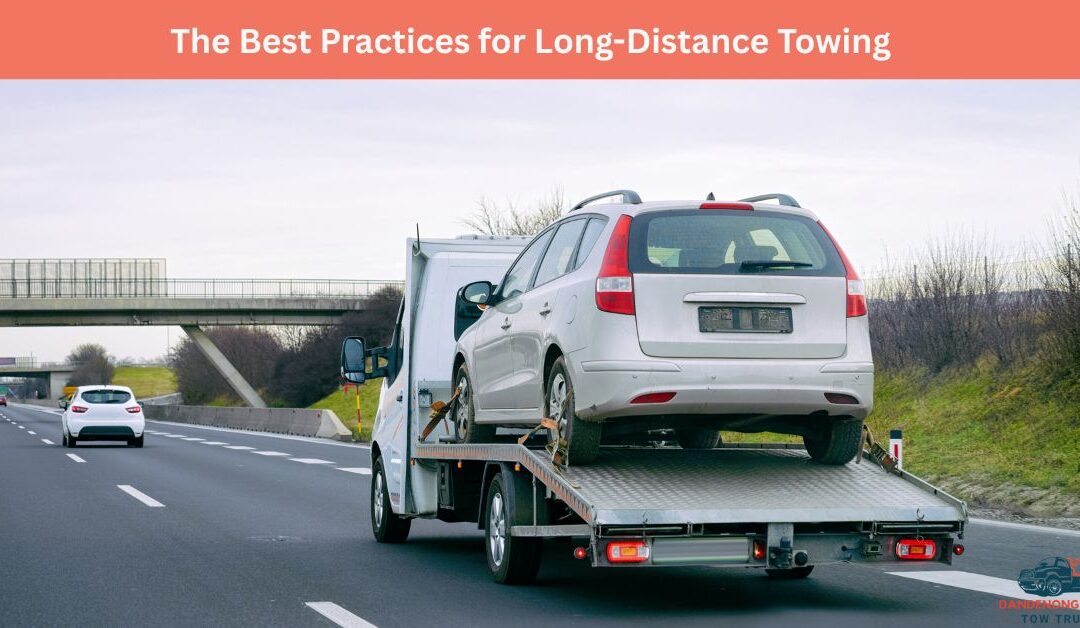
The type of tow truck plays a significant role in the success of a long-distance tow. Flatbed tow trucks are often preferred for long journeys because they keep all four wheels of the vehicle off the ground, providing stability and reducing the risk of damage. Wheel-lift systems can also be used for certain vehicles but may not be ideal for high-end or delicate cars.
The towing operator should ensure that the truck is equipped with high-quality straps, chains, and tie-down points to secure the vehicle firmly. Modern flatbeds have hydraulic systems that make loading and unloading easier and safer. Using the appropriate equipment reduces movement during transport, ensuring the vehicle arrives in the same condition it left in.
Planning the Route in Advance
Route planning is a critical step in long-distance towing. It helps avoid unnecessary delays, low-clearance bridges, weight-restricted roads, or areas with heavy traffic. By planning the journey ahead of time, towing operators can select the safest and most efficient roads for transporting the vehicle. GPS navigation systems with truck-specific routing capabilities are especially useful, as they account for the size and weight of the tow truck and the vehicle being transported.
It’s also wise to plan rest stops, fuel breaks, and overnight stays if the journey spans multiple days. Proper scheduling allows the operator to remain alert and prevents fatigue, which is one of the leading causes of accidents during long-distance towing.
Conducting Regular Safety Checks on the Road
During long-distance towing, it’s important to stop periodically and check that the vehicle remains secure. Vibrations, bumps, and turns can cause straps or chains to loosen over time, potentially compromising the vehicle’s stability. A quick inspection every few hours helps catch any issues before they escalate. Checking tire pressure, hitch connections, and lighting systems ensures the tow truck remains in optimal condition for the journey.
Monitoring weather conditions is also essential. Rain, wind, or extreme temperatures can affect driving performance and vehicle security. Adjusting speed and driving style based on road conditions helps maintain control and safety throughout the trip.
Maintaining Safe Driving Practices
Safe driving is at the heart of successful long-distance towing. Tow trucks carrying vehicles require more time to accelerate, turn, and stop, so operators should maintain a safe following distance and avoid sudden maneuvers. Gradual braking and smooth steering minimize strain on the towing equipment and reduce the risk of swaying or fishtailing.
Speed limits should always be observed, but it’s often safer to drive slightly below the maximum limit when towing over long distances. This allows more reaction time in case of unexpected obstacles or traffic changes. Staying in the right lane on highways and using hazard lights when necessary helps other drivers anticipate the tow truck’s movements, improving overall road safety.
Ensuring Legal Compliance and Documentation
Long-distance towing may involve crossing different jurisdictions, each with its own towing regulations and road rules. Ensuring compliance with all applicable laws prevents legal issues during transport. This includes having proper licensing, insurance, permits, and documentation for both the tow truck and the vehicle being transported. Some regions may require additional permits for oversized or heavy loads.
The driver should also carry documentation proving ownership or authorization to tow the vehicle, which can be useful in case of roadside inspections or police stops. Staying legally compliant ensures the journey goes smoothly without interruptions.
Handling Unexpected Situations
Even with the best planning, unexpected situations can arise during long-distance towing. Flat tires, mechanical breakdowns, or severe weather can disrupt the journey. Tow truck operators should be equipped with emergency supplies, spare tires, and communication devices to handle such situations efficiently. Having a backup plan, such as alternative routes or contact information for nearby repair facilities, ensures quick responses to any challenges.
In the event of an accident or serious issue, safety should be the top priority. Pulling over to a safe location, turning on hazard lights, and contacting relevant authorities or roadside assistance can prevent further complications. Professional operators are trained to handle emergencies calmly and effectively.
Protecting the Vehicle from Environmental Damage
Over long distances, vehicles are exposed to various environmental factors such as dust, rain, and debris. Using protective covers or shields can help prevent scratches, paint damage, or windshield cracks. Flatbed towing naturally offers better protection compared to other methods, as the vehicle is lifted entirely off the road.
For luxury or classic cars, additional precautions like enclosed transport may be considered. Enclosed towing trailers provide the highest level of protection, shielding the vehicle from the elements and potential road hazards. Though more expensive, this method is often worth it for valuable or delicate vehicles.
Communication with the Client
Clear communication with the client is a best practice that builds trust and ensures transparency throughout the towing process. Providing estimated arrival times, updates during transport, and immediate notifications in case of delays helps keep clients informed and reassured. Many towing companies now use GPS tracking systems that allow clients to monitor their vehicle’s location in real-time, enhancing reliability and customer satisfaction.
Proper documentation upon delivery, including photographs and condition reports, gives both parties confidence that the vehicle was transported professionally and safely. A smooth handover process reinforces the company’s reputation and encourages repeat business.
Conclusion
Long-distance towing is a complex task that requires careful preparation, the right equipment, and skilled driving. By following best practices—such as preparing the vehicle, planning the route, performing regular safety checks, and maintaining legal compliance—towing operators can ensure a safe and efficient journey. Clear communication with clients and attention to vehicle protection further enhance the quality of service.
Whether towing a standard vehicle, a luxury car, or a classic automobile, professional long-distance towing prioritizes safety, reliability, and customer satisfaction. With the proper approach, both the vehicle and the client can have peace of mind throughout the entire journey.
Recent Comments