Tow truck operators face unique challenges every day, ranging from roadside hazards and traffic risks to challenging weather and heavy equipment handling. Ensuring safety is not just about protecting themselves; it also safeguards motorists, vehicles, and other road users. The combination of training, equipment, technology, and safety protocols allows tow truck operators to perform their work efficiently while minimizing risks. Understanding how operators stay safe provides insight into the professionalism and responsibility that goes into towing services.
1. Comprehensive Training and Certification
The foundation of tow truck safety lies in proper training and certification. Operators undergo extensive instruction in vehicle handling, equipment usage, and roadside safety procedures. This training covers various scenarios, such as vehicle recovery after accidents, towing on steep or uneven terrain, and responding to emergency breakdowns.
Certification programs also educate operators on traffic laws, hazard management, and emergency response techniques. Knowing how to navigate high-speed highways or congested urban streets reduces the likelihood of accidents. Additionally, operators learn how to secure different types of vehicles properly, preventing damage to the vehicle being towed and maintaining overall safety during transport. Companies often provide continuous training to ensure operators remain updated on new equipment and industry regulations.
2. Use of Specialized Safety Equipment
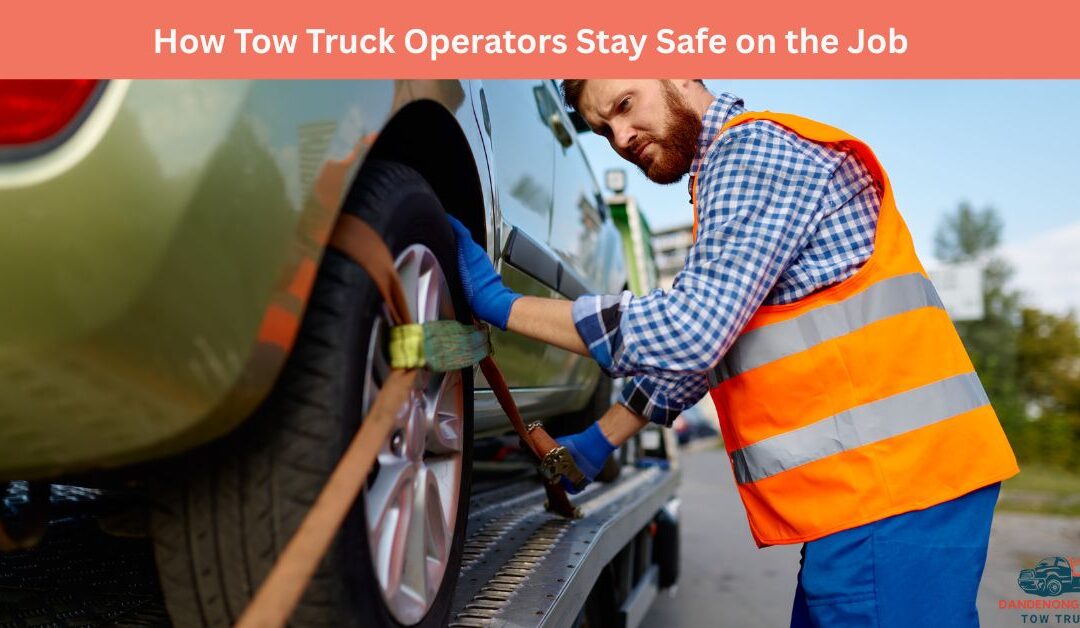
Modern tow trucks are equipped with a range of safety tools designed to protect operators and motorists. High-visibility clothing, safety gloves, steel-toed boots, and reflective vests are standard attire for operators working on the roadside. These items make operators more visible to passing traffic and protect them from physical hazards while handling vehicles.
Tow trucks themselves have built-in safety features, including bright LED hazard lights, warning signals, and reflective markers. Hydraulic lifts, wheel-lift systems, and secure tie-down straps reduce the risk of accidents during vehicle loading and transport. Operators also use safety cones and flares to create a secure perimeter around their work area, preventing collisions with other vehicles. The combination of personal protective equipment and vehicle safety tools ensures a higher level of security in all towing operations.
3. Maintaining Situational Awareness
Situational awareness is critical for tow truck operators working in unpredictable environments. Operators must constantly monitor their surroundings, including traffic flow, road conditions, pedestrians, and potential hazards. Staying alert helps prevent accidents caused by inattentive drivers, sudden obstacles, or changing weather conditions.
Experienced operators also anticipate risks by maintaining a safe distance from moving traffic and positioning their vehicles strategically. They plan exits, entrances, and towing angles to minimize exposure to potential collisions. Being aware of nearby vehicles and obstacles reduces the likelihood of accidents during complex towing operations, such as loading a disabled vehicle on a busy highway or maneuvering in tight urban spaces.
4. Adhering to Roadside Safety Protocols
Tow truck operators follow strict roadside safety protocols designed to protect themselves, their vehicles, and others on the road. These protocols include parking at safe angles, using hazard lights and cones, and maintaining a clear working area. Operators are trained to avoid standing between their truck and other vehicles whenever possible, reducing the risk of injury.
Protocols also dictate proper communication with passing motorists. Operators use hand signals, lights, and sometimes portable signage to warn approaching vehicles of ongoing towing operations. Clear and consistent communication reduces confusion and ensures other drivers can navigate safely around the tow truck. Compliance with these established procedures is essential for minimizing accidents and maintaining a professional towing operation.
5. Leveraging Technology for Safety
Technology plays a significant role in enhancing safety for tow truck operators. Modern tow trucks are equipped with backup cameras, sensors, and collision detection systems, which help operators maneuver vehicles safely even in challenging conditions. GPS navigation aids in identifying the safest routes to reach breakdowns or accident scenes quickly, avoiding dangerous roads or areas with heavy traffic.
Mobile apps and dispatch systems allow operators to receive job details before arriving on-site, enabling better preparation for hazards or unusual scenarios. Communication tools also keep operators connected with dispatchers and emergency responders, ensuring rapid assistance if an unexpected issue arises. By combining technology with experience, operators can perform their jobs more safely and efficiently.
6. Regular Vehicle and Equipment Maintenance
Maintaining tow trucks and equipment in optimal condition is another crucial safety measure. Regular inspections and servicing prevent mechanical failures that could endanger operators and other road users. This includes checking hydraulic systems, brakes, lights, tie-down straps, and winches to ensure they function correctly.
Well-maintained trucks also enhance reliability during long or complex towing operations. Operators can respond to emergency calls with confidence, knowing their equipment is safe and dependable. Scheduled maintenance reduces the risk of breakdowns during high-stress towing situations and contributes to overall workplace safety in the towing industry.
7. Managing Fatigue and Stress
Tow truck operators often work long hours, including nights, weekends, and holidays. Fatigue and stress can significantly increase the risk of accidents. To mitigate these risks, operators follow guidelines for rest breaks, proper scheduling, and healthy work habits. Staying alert, hydrated, and focused on the road is essential, especially when dealing with high-speed traffic or adverse weather conditions.
Employers also encourage operators to manage stress through supportive workplace practices and regular training. Operators who are mentally and physically prepared can make better decisions, react quickly to hazards, and maintain a higher standard of safety for themselves and those around them.
Conclusion
Tow truck operators face challenging and often dangerous working conditions every day. Their ability to stay safe relies on comprehensive training, specialized safety equipment, situational awareness, strict roadside protocols, modern technology, regular maintenance, and effective fatigue management. By prioritizing safety, operators protect themselves, their vehicles, the vehicles they tow, and other road users. Professional towing services are built on this foundation of safety, ensuring that every job is handled responsibly and efficiently. Understanding these measures also highlights the importance of relying on trained professionals rather than attempting to tow vehicles without the proper equipment or expertise.
Recent Comments