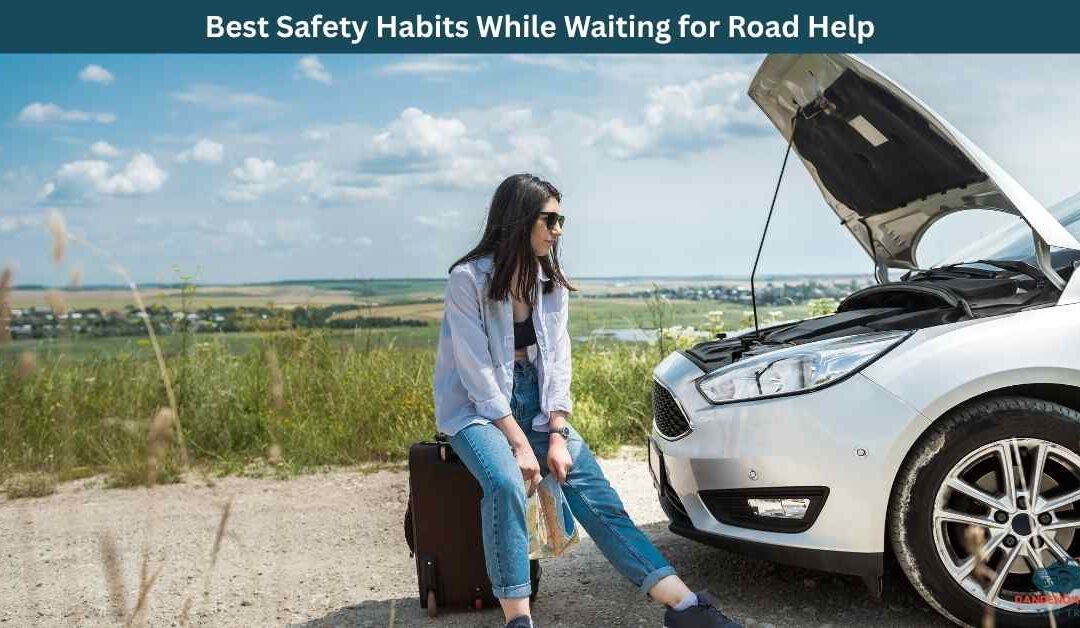
Breaking down on the road is never something anyone plans for. One moment you’re driving normally, and the next you’re pulled over on the side of the road waiting for assistance. Whether it’s a flat tyre, engine trouble, or a sudden mechanical failure, the waiting period can feel stressful and uncertain.
What you do while waiting for road help matters just as much as the breakdown itself. Staying calm and following the right safety habits can protect you, your passengers, and even passing motorists. A few smart decisions can make a big difference while you wait for a tow truck or roadside assistance to arrive.
The first priority: get to a safe position
If your vehicle is still moving when the problem starts, try to guide it to the safest possible location. Ideally, this means:
- A wide road shoulder
- A designated breakdown bay
- A parking area or side street
- As far away from moving traffic as possible
On highways or busy roads, even a small distance from live traffic lanes can significantly reduce risk.
Once you’ve stopped, turn on your hazard lights immediately. This is your first line of communication with other drivers, signalling that your vehicle is stationary for an emergency reason.
Stay inside the vehicle when it’s safer to do so
One of the most common questions drivers ask is whether they should stay inside or get out of the car. The answer depends on the situation.
In most cases, especially on busy roads or highways, it is safer to stay inside the vehicle with your seatbelt on. Modern cars offer better protection than standing near fast-moving traffic.
You should only exit the vehicle if:
- You are in immediate danger (e.g. smoke, fire, or fuel smell)
- You are instructed to do so by emergency services
- The vehicle is in a completely safe, off-road location
Standing on the road side increases your exposure to passing traffic, especially in poor visibility conditions.
Make yourself and your vehicle visible
Visibility is one of the most important safety factors while waiting for assistance.
You can improve visibility by:
- Keeping hazard lights on at all times
- Turning on interior lights if it is dark
- Using reflective warning triangles if available
- Wearing high-visibility clothing if you need to step outside
Other drivers may not expect a stationary vehicle, especially at night or in heavy rain, so making yourself noticeable helps prevent secondary accidents.
Stay aware of your surroundings
Even while waiting, it’s important to stay alert. Road conditions can change quickly, and traffic can behave unpredictably.
Pay attention to:
- Approaching vehicles
- Weather changes
- Road noise and visibility conditions
- Emergency vehicles or tow trucks arriving
Avoid distractions that take your attention away from what’s happening outside the vehicle. Staying aware helps you react quickly if the situation changes.
Keep passengers calm and safe
If you are travelling with family or friends, keeping everyone calm is just as important as handling the vehicle situation.
A few simple steps can help:
- Reassure passengers that help is on the way
- Keep children seated and secured
- Avoid unnecessary movement in or out of the vehicle
- Maintain communication so everyone knows what’s happening
Stress can increase quickly during roadside emergencies, so clear communication helps reduce panic and confusion.
Avoid attempting risky repairs on busy roads
It can be tempting to try and fix the issue yourself while waiting for help, especially for problems like flat tyres or minor engine issues.
However, roadside repairs can be dangerous in unsafe locations.
Avoid attempting repairs if:
- You are on a highway or high-speed road
- Visibility is poor due to weather or darkness
- Traffic is heavy or fast-moving
- You are unsure of the problem
In these situations, it’s safer to wait for trained roadside assistance or towing professionals.
Keep your phone charged and ready
Your phone is your most important connection to help.
While waiting, make sure to:
- Keep your phone charged as much as possible
- Save roadside assistance or towing contacts
- Share your location with someone you trust
- Keep emergency numbers easily accessible
A power bank or car charger can be extremely useful in extended waiting situations.
Stay inside the car during bad weather
Weather can make roadside situations even more dangerous. Heavy rain, strong winds, fog, or extreme heat all affect safety.
In bad weather:
- Stay inside the vehicle whenever possible
- Keep windows slightly closed or adjusted for ventilation
- Avoid standing outside unless absolutely necessary
- Turn on hazard lights for maximum visibility
Exposure to weather conditions adds unnecessary risk when you are already in a vulnerable position.
Do not accept unsafe help from strangers
While most people genuinely want to help, it’s important to stay cautious.
If someone stops to offer assistance:
- Stay inside your locked vehicle if you feel unsafe
- Speak through a slightly open window if needed
- Only accept help if you are comfortable and it feels appropriate
- Let them know that professional help has already been called
Trust your instincts. Your safety comes first.
Use your hazard lights correctly
Hazard lights are essential while waiting for road help, but they should be used properly.
Keep them on when:
- Your vehicle is stationary in a traffic area
- You are waiting for assistance on a roadside
- Visibility is reduced due to weather or darkness
Avoid turning them off too early, as they are your primary warning signal to other drivers.
Be prepared for longer wait times in certain conditions
Roadside assistance and tow trucks may take longer to arrive during:
- Peak traffic hours
- Heavy rain or storms
- Remote or rural areas
- High accident periods
Understanding this in advance helps you stay calm and make safer decisions while waiting.
Why patience and preparation matter
Waiting for road help can be frustrating, but rushing or making unsafe decisions can create bigger problems. Staying calm allows you to think clearly and prioritise safety.
A breakdown is temporary, but accidents caused by unsafe roadside behaviour can have long-term consequences.
When tow truck arrival becomes the safest solution
Once a professional tow truck arrives, follow their instructions carefully. They are trained to assess the situation, secure the vehicle, and transport it safely without causing further damage.
Avoid interfering with recovery operations unless asked. Let the professionals handle the heavy work while you stay safely out of the way.
Waiting for road help is often the most stressful part of a breakdown, but it is also the most important time to stay focused on safety. Positioning your vehicle correctly, staying visible, remaining calm, and avoiding risky actions all help protect you and others on the road. With the right habits, you can turn a stressful situation into a manageable one until professional assistance arrives and gets you safely moving again.
If you are in Eumemmerring, and looking for a tow truck service, below is the best way to visit us.
Dandenong Casey Tow Trucks
50 Fitzgerald Road, Hallam VIC 3803
(03) 7042 2011
Recent Comments